
The Legend of the Green Man
The Green Man is a symbol of nature and rebirth in British folklore, often depicted as a face surrounded by leaves. His story connects ancient traditions with modern environmental movements.
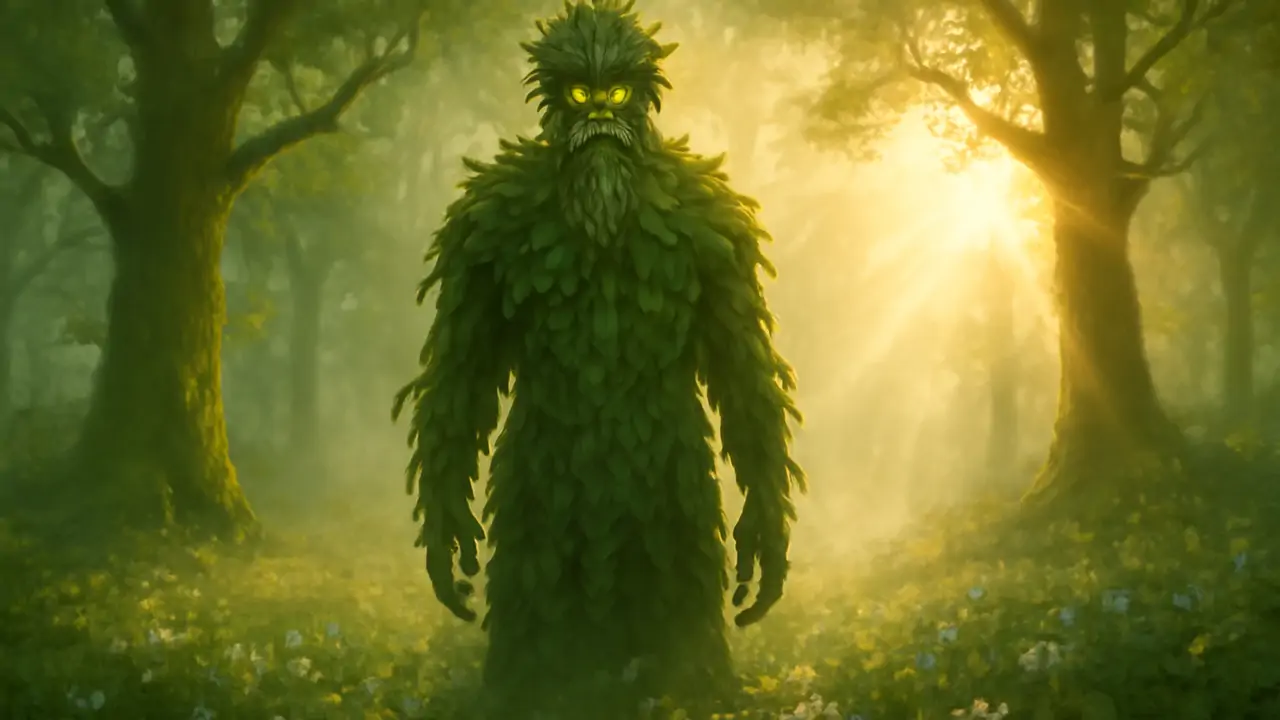
The Green Man is a fascinating figure in British folklore, along side Robin Hood and King Arthur. He is often seen as a symbol of nature and rebirth. The Green Man appears in many forms, usually as a face surrounded by leaves and branches. This image can be found in churches, old buildings, and even on garden gates. But who is the Green Man, and what does he represent?
The origins of the Green Man are not entirely clear. Some believe he comes from ancient pagan traditions. In these traditions, he represents the spirit of nature and the cycle of life. As winter ends and spring begins, the Green Man is a reminder of the beauty of nature and the importance of growth.
In medieval times, the Green Man became popular in church architecture. Many churches in the UK have carvings of the Green Man. These carvings often show his face made of leaves, vines, and flowers. Some people think that these images were used to remind people of the connection between nature and spirituality. Others believe that the Green Man was a way to bring old pagan beliefs into Christian practices.
One famous example of the Green Man can be found in the church of St. Mary’s in the village of Wellingborough. Here, the Green Man is carved into the stonework above the entrance. Visitors often stop to admire this ancient figure. It is a beautiful reminder of the past and the importance of nature in our lives.
The Green Man is not just a figure of the past. He has become a symbol of modern environmental movements. Many people today see him as a representation of the need to protect nature. As we face challenges like climate change, the Green Man reminds us of our responsibility to care for the earth.
In art and literature, the Green Man continues to inspire many. Writers and artists often use his image to explore themes of nature, life, and death. For example, in poetry, the Green Man can represent the cycle of the seasons. In paintings, he may be shown surrounded by animals and plants, celebrating the beauty of the natural world.
The Green Man also appears in festivals and celebrations. In some parts of the UK, people celebrate the arrival of spring with events that include the Green Man. These festivals often feature music, dancing, and art, all focused on nature and renewal. They are a joyful way to connect with the earth and celebrate life.
In conclusion, the Green Man is a rich and meaningful figure in British folklore. He represents the connection between nature and humanity. From ancient times to the present day, the Green Man has inspired people to appreciate the beauty of the world around them. Whether seen in a church, a piece of art, or a festival, the Green Man reminds us of the importance of nature in our lives. As we move forward, we can learn from his story and work to protect our planet for future generations.
Comments (0)
Be the first to comment.
You need to be signed in to leave a comment.
Sign in