
The Evolution of Music in the James Bond Franchise
The music of the James Bond franchise has evolved significantly over the years, reflecting cultural changes and enhancing the films' emotional depth.
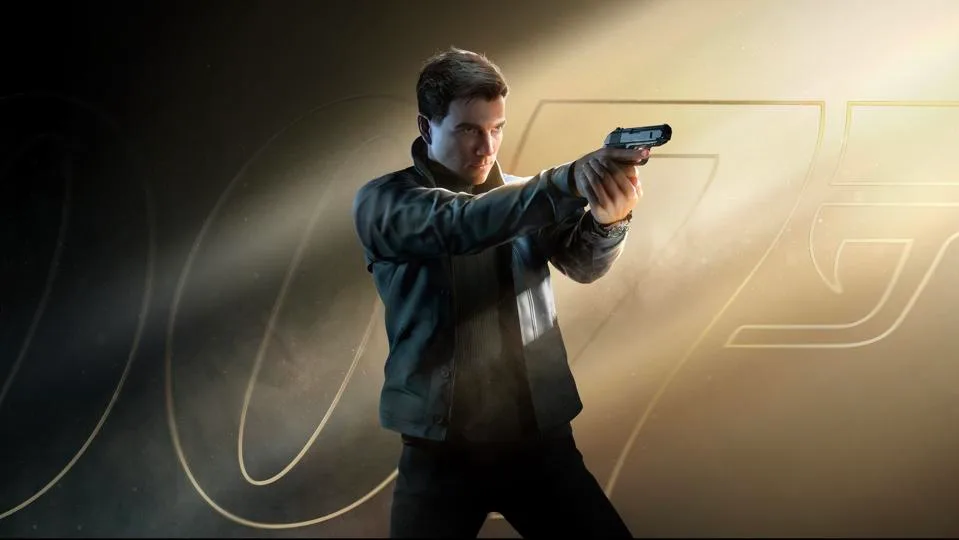
The James Bond film series, renowned for its thrilling plots and iconic characters, is equally celebrated for its music. The soundtracks have played a pivotal role in shaping the atmosphere and emotional depth of the films. Over the years, various composers have contributed their unique styles, enhancing the cinematic experience and leaving a lasting impact on popular culture.
From the very first Bond film, "Dr. No," released in 1962, the music has been integral to the franchise. Composed by Monty Norman, the theme song introduced audiences to the suave world of espionage. The distinctive guitar riff became synonymous with the character of James Bond, setting the tone for future films. Norman's composition laid the groundwork for what would become a hallmark of the series: a blend of orchestral arrangements with contemporary musical elements.
As the series progressed, the music evolved alongside changing cultural trends. John Barry, who took over the scoring duties for many subsequent films, infused the soundtracks with lush orchestration and jazz influences. His work on films like "Goldfinger" and "Thunderball" not only defined the sound of Bond but also influenced the broader landscape of film music. Barry's ability to create memorable themes and motifs helped establish a musical identity that resonated with audiences worldwide.
In the 1980s and 1990s, the Bond franchise saw a shift in musical direction. Composers like Michael Kamen and David Arnold brought new energy and innovation to the series. Kamen's work on "Licence to Kill" incorporated rock elements, reflecting the era's musical landscape. Meanwhile, Arnold revitalised the series with his modern approach, blending electronic sounds with traditional orchestration in films like "Die Another Day." This fusion of styles showcased the franchise's adaptability and willingness to embrace contemporary trends.
The introduction of theme songs performed by popular artists has also become a defining feature of Bond films. From Shirley Bassey's powerful rendition of "Goldfinger" to Adele's hauntingly beautiful "Skyfall," these songs have not only topped charts but also captured the essence of the films. The choice of artists often reflects the film's tone and themes, creating a deeper connection between the music and the narrative.
In recent years, the Bond soundtracks have continued to evolve. Composers like Thomas Newman and Hans Zimmer have brought their distinctive styles to the franchise. Newman's work on "Skyfall" and "Spectre" showcases his ability to blend atmospheric soundscapes with traditional orchestral elements, while Zimmer's contributions have added a modern edge to the series. This ongoing evolution highlights the importance of music in enhancing the storytelling and emotional resonance of the films.
The collaboration between composers and artists has also become increasingly significant. The synergy between the score and the theme song can elevate a film's impact, creating a cohesive auditory experience. This partnership has led to some of the most memorable moments in Bond history, where the music not only complements the visuals but also enhances the emotional stakes of the narrative.
In conclusion, the music of the James Bond franchise is a vital component of its enduring appeal. From Monty Norman's iconic themes to the contemporary sounds of today's composers, the evolution of the series' music reflects broader cultural shifts and the changing landscape of the film industry. As the franchise continues to captivate audiences, its music remains a powerful tool for storytelling, evoking emotions and creating unforgettable cinematic moments.
Comments (0)
Be the first to comment.
You need to be signed in to leave a comment.
Sign in