
Understanding Bonfire Night: History and Traditions
Bonfire Night, or Guy Fawkes Night, is celebrated in the UK on 5th November, marking the failed Gunpowder Plot of 1605. This article explores the history and significance of this unique tradition.
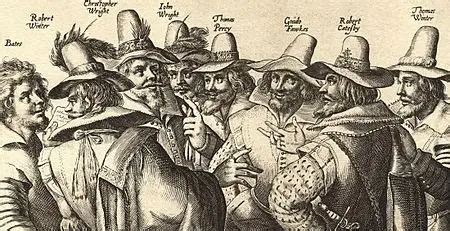
Bonfire Night, also known as Guy Fawkes Night, is celebrated in the UK every year on 5th November. This event marks the anniversary of the Gunpowder Plot of 1605, when a group of English Catholics attempted to blow up the Houses of Parliament in London. The plot was led by Guy Fawkes, who became the face of this historical event.
The story begins in a time when Catholics faced severe persecution in England. King James I, who was Protestant, ruled the country and many Catholics felt oppressed. In response to this, a group of conspirators, including Fawkes, planned to assassinate the king and restore a Catholic monarch to the throne. They stored barrels of gunpowder in a cellar beneath the House of Lords, intending to ignite them during the State Opening of Parliament.
However, their plan was foiled. An anonymous letter warned a member of Parliament about the plot, leading to a search of the premises. On the night of 4th November, Guy Fawkes was discovered guarding the explosives and was arrested. The following day, the news of the failed plot spread quickly, and the king ordered a day of thanksgiving for his survival.
Since then, Bonfire Night has evolved into a public celebration. People light bonfires and set off fireworks to commemorate the event. Traditionally, effigies of Guy Fawkes, known as 'guys', are made and burned on the bonfires. Children often create these effigies and ask for 'a penny for the guy' as they collect money to buy fireworks.
The night is filled with excitement and community spirit. Many towns and cities organise large bonfire displays, attracting families and friends. The bright colours of the fireworks light up the night sky, creating a magical atmosphere. Food stalls selling toffee apples, hot chocolate, and other treats add to the festive experience.
Despite its historical roots, Bonfire Night has also become a time for reflection on the themes of tolerance and freedom. While it began as a celebration of the king's survival, it now serves as a reminder of the importance of understanding and respecting different beliefs.
Interestingly, the story of the Gunpowder Plot is not just a tale of treason; it also highlights the struggles faced by Catholics in a predominantly Protestant society. Some people argue that the plot was a desperate act of rebellion against oppression, while others see it as a dangerous conspiracy. This duality adds depth to the celebration, making it more than just a night of fireworks.
In recent years, there have been discussions about the relevance of Bonfire Night in modern society. Some people feel that the event promotes anti-Catholic sentiment, while others believe it is simply a fun tradition. Regardless of differing opinions, Bonfire Night remains a significant part of British culture.
As the years go by, Bonfire Night continues to adapt. New traditions emerge, and the celebrations evolve, but the core story remains the same. It is a night that brings people together, allowing them to enjoy the warmth of bonfires and the beauty of fireworks while remembering a pivotal moment in British history.
In conclusion, Bonfire Night is a fascinating blend of history, tradition, and community spirit. It serves as a reminder of the past while providing an opportunity for people to come together and celebrate. Whether you are watching fireworks with friends or enjoying a warm drink by the bonfire, this night is a unique experience that captures the essence of British culture.
Comments (0)
Be the first to comment.
You need to be signed in to leave a comment.
Sign in