
AI and the Future of Language Translation
AI is revolutionising language translation, making it faster and more accurate. This article explores the advancements and challenges in this evolving field.
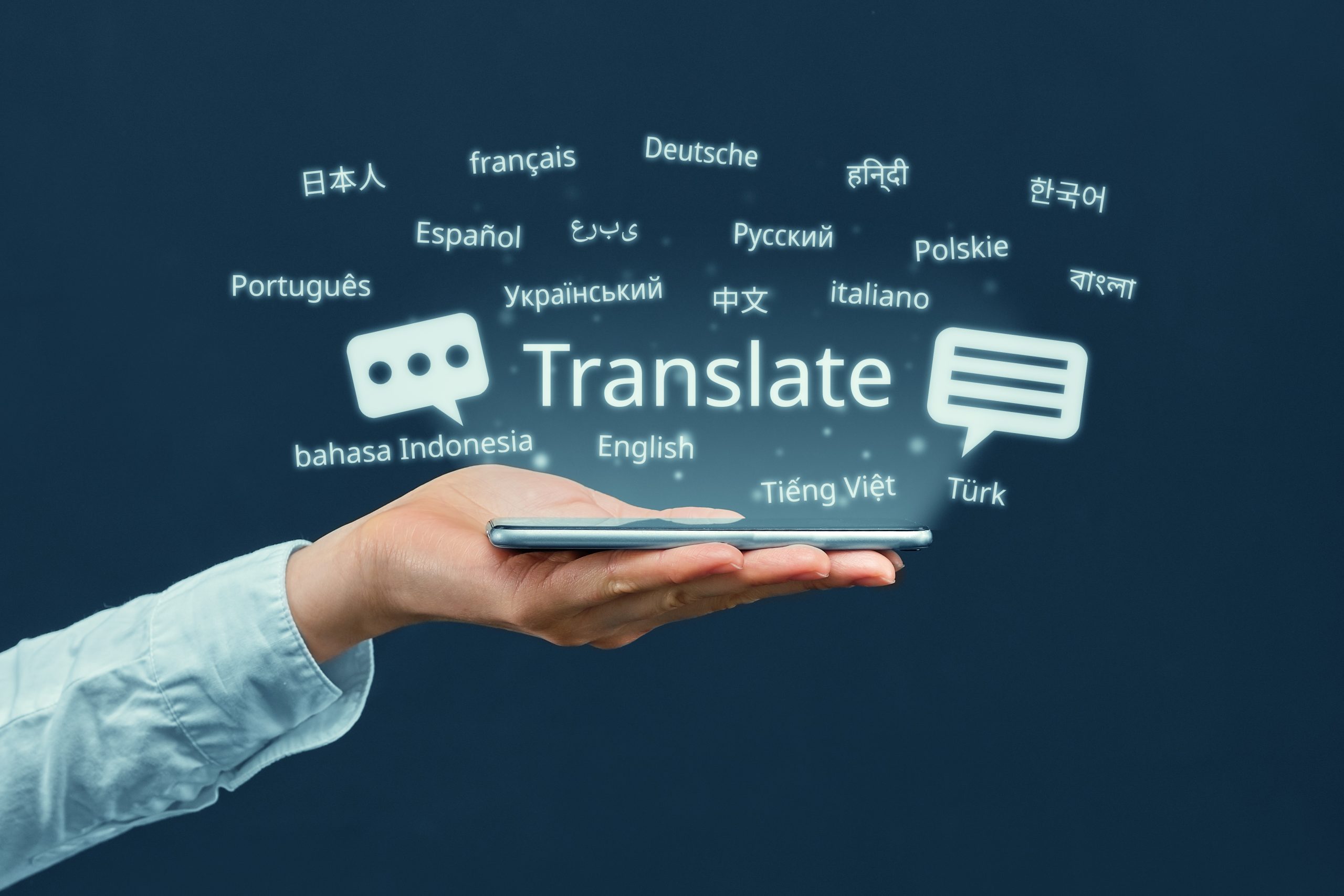
In our increasingly globalised world, the ability to communicate across languages is more important than ever. Artificial Intelligence (AI) is playing a significant role in transforming language translation, making it faster, more accurate, and accessible to everyone. This article explores how AI is changing the landscape of translation and what it means for the future.
Traditionally, translation was a task performed by human experts who understood both the source and target languages deeply. While human translators are still essential for nuanced and complex texts, AI has introduced new tools that can handle many translation tasks efficiently. One of the most notable advancements in this field is the development of neural machine translation (NMT).
NMT uses deep learning techniques to improve the quality of translations. Unlike earlier methods that translated text word by word, NMT considers entire sentences and their context. This approach allows for more natural and fluent translations. For example, Google Translate has significantly improved its accuracy by implementing NMT, resulting in translations that sound more like they were written by a native speaker.
Another exciting development is the use of AI in real-time translation. Applications like Microsoft Translator and Google Translate now offer features that allow users to have conversations in different languages almost seamlessly. By using speech recognition and synthesis, these applications can translate spoken words instantly, making communication easier during international meetings or travels.
However, while AI translation tools are impressive, they are not without limitations. AI struggles with idiomatic expressions, cultural nuances, and context-specific meanings. For instance, the phrase "kick the bucket" means to die in English, but a direct translation into another language may not convey the same meaning. This is where human translators still play a crucial role, especially in fields like literature, law, and diplomacy, where precision is vital.
Moreover, the ethical implications of AI in translation cannot be overlooked. There are concerns about data privacy, as many translation tools require users to input sensitive information. Additionally, the potential for bias in AI algorithms can lead to skewed translations that may reinforce stereotypes or misrepresent cultures.
As AI continues to evolve, researchers are working on ways to address these challenges. For example, efforts are being made to create more diverse training datasets that include a wider range of dialects and cultural contexts. This could help improve the accuracy and inclusivity of AI translations.
Looking ahead, the future of language translation with AI seems promising. We may see even more sophisticated tools that can understand context better and provide translations that are not only accurate but also culturally relevant. The integration of AI with augmented reality (AR) could also revolutionise the way we interact with foreign languages. Imagine wearing AR glasses that translate signs or menus in real-time as you explore a new city.
In conclusion, AI is reshaping the field of language translation, making it more efficient and accessible. While there are still challenges to overcome, the advancements in AI technology hold great potential for breaking down language barriers and fostering global communication. As we embrace these changes, it is essential to remain mindful of the ethical considerations and the irreplaceable value of human translators in certain contexts.
The journey of AI in language translation is just beginning, and it will be fascinating to see how it continues to develop in the coming years. With ongoing research and innovation, we can look forward to a world where language is no longer a barrier to understanding and connection.
Comments (0)
Be the first to comment.
You need to be signed in to leave a comment.
Sign in