
The Advancements in CRISPR Technology
CRISPR technology is revolutionising genetics, offering new possibilities for treating diseases and improving agriculture, but it also raises important ethical questions.
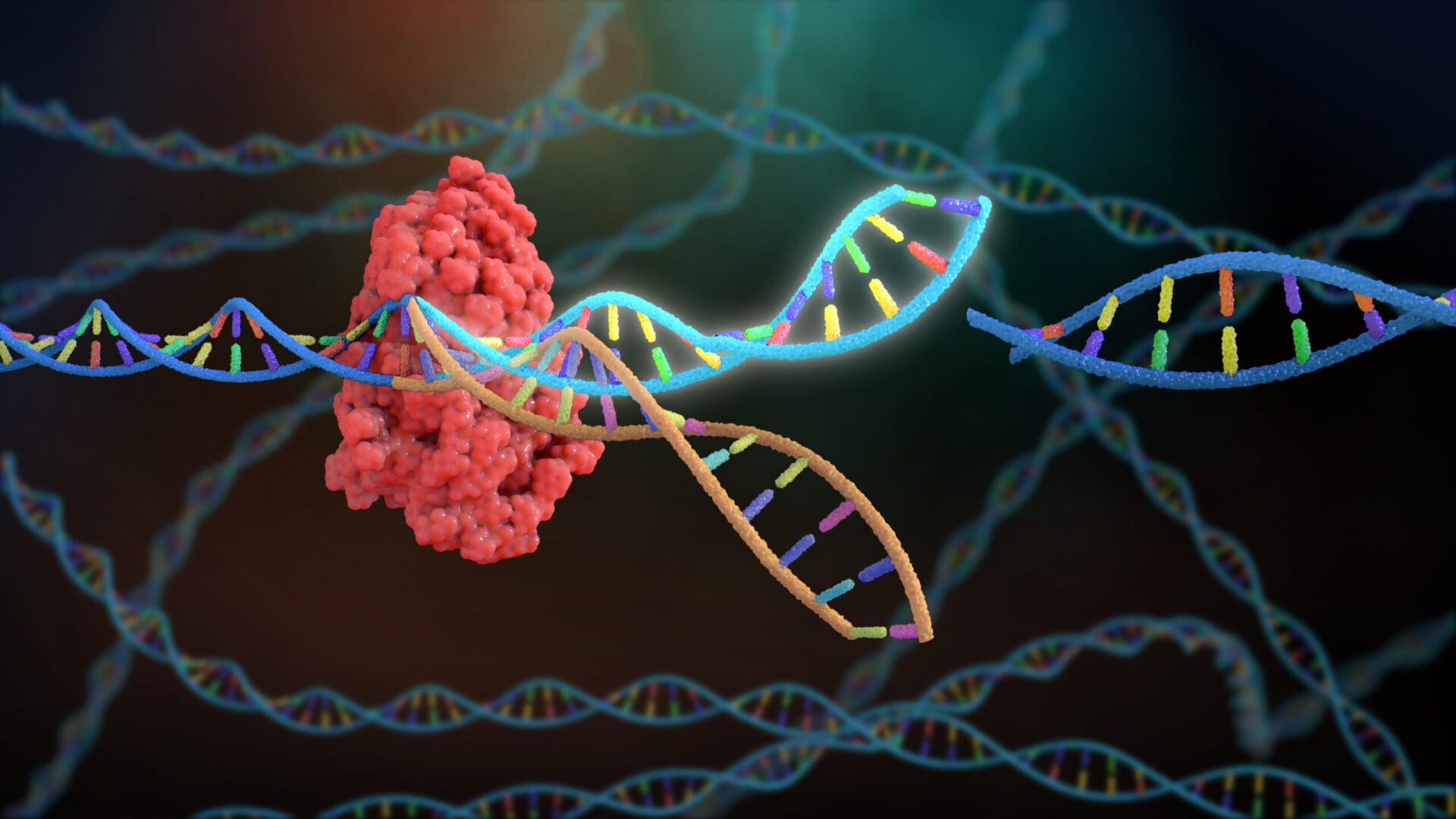
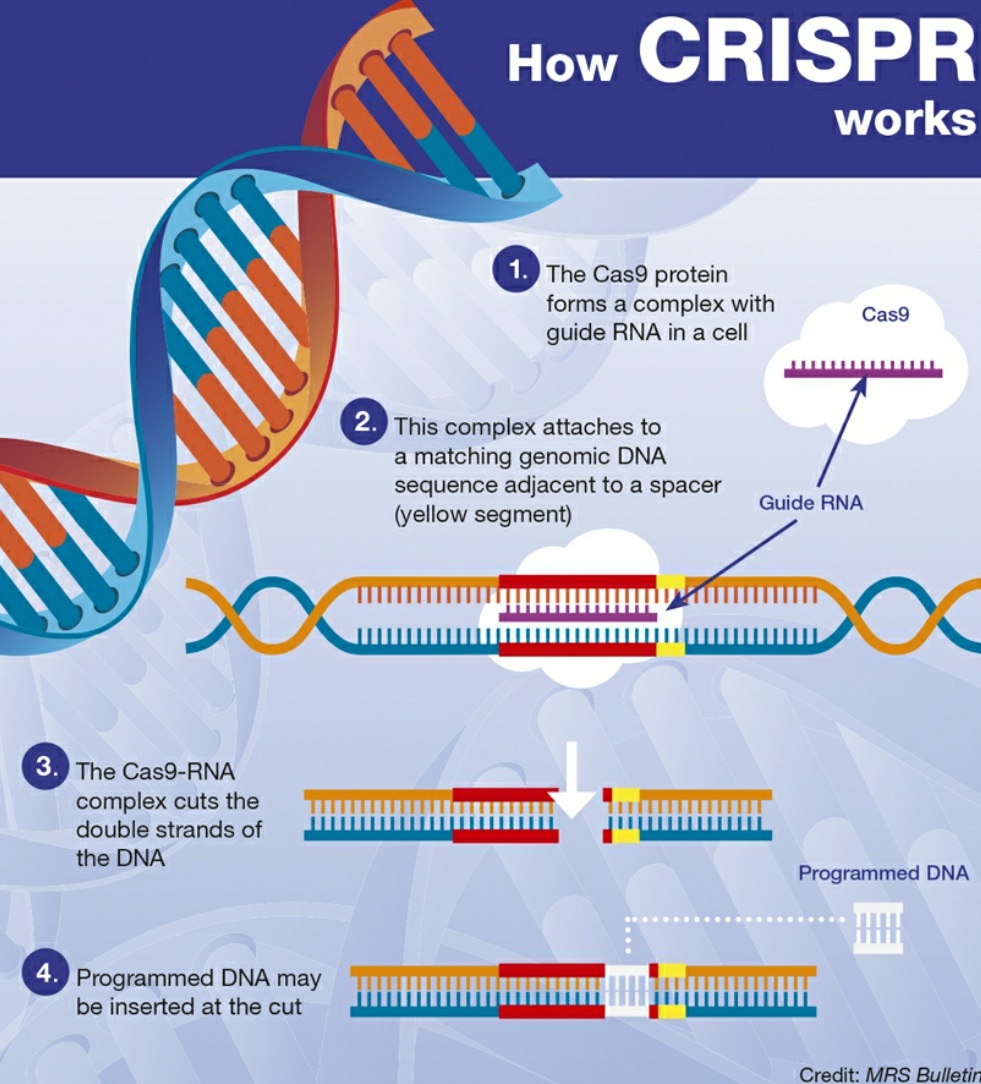
In recent years, CRISPR technology has transformed the field of genetics. This powerful tool allows scientists to edit genes with remarkable precision. CRISPR stands for Clustered Regularly Interspaced Short Palindromic Repeats. It was first discovered in bacteria, where it serves as a defence mechanism against viruses. However, its potential applications in medicine, agriculture, and biotechnology have captured the attention of researchers worldwide.
Genetic disorders
One of the most exciting developments in CRISPR technology is its use in treating genetic disorders. For instance, scientists have been exploring ways to use CRISPR to correct mutations that cause diseases such as sickle cell anaemia and cystic fibrosis. In clinical trials, researchers have successfully edited the genes of patients, leading to significant improvements in their health. This has raised hopes for curing previously untreatable conditions.
Agricolture
Another area where CRISPR is making waves is in agriculture. With the global population expected to reach nearly 10 billion by 2050, there is an urgent need for sustainable food production. CRISPR can help create crops that are more resistant to pests, diseases, and extreme weather conditions. For example, researchers have developed wheat varieties that can withstand drought, which is crucial for farmers in arid regions. This technology not only promises to increase crop yields but also reduces the need for chemical pesticides, benefiting the environment.
Human genes
Despite its potential, the use of CRISPR technology raises ethical questions. The ability to edit human genes could lead to unintended consequences. For instance, if scientists were to edit genes in embryos, it could change the genetic makeup of future generations. This has sparked debates about the moral implications of 'designer babies' and the potential for genetic inequality. Many experts argue that strict regulations are necessary to ensure that CRISPR is used responsibly.
Moreover, researchers are continuously working to improve the accuracy of CRISPR. One of the challenges is the possibility of off-target effects, where the technology edits unintended parts of the genome. Newer versions of CRISPR, such as CRISPR-Cas9 and CRISPR-Cas12, are being developed to enhance precision and reduce these risks. Scientists are also exploring ways to deliver CRISPR components more effectively into cells, which is crucial for successful gene editing.
Future
The future of CRISPR technology looks promising. As researchers continue to unlock its potential, we may see breakthroughs that could change the way we approach health and agriculture. However, it is essential to balance innovation with ethical considerations. The ongoing discussions about the implications of gene editing will shape the future of this powerful technology.
Conclusion
In conclusion, CRISPR technology is at the forefront of scientific research, offering exciting possibilities for treating diseases and improving food security. As we navigate the challenges and opportunities it presents, the world watches closely to see how this revolutionary tool will impact our lives in the years to come.
Comments (0)
Be the first to comment.
You need to be signed in to leave a comment.
Sign in