
 Michael Jackson: una breve biografia
Conosciuto come il "Re del Pop", Michael Jackson è stato un cantante, cantautore e ballerino americano di grande successo. Da bambino, Jackson divenne il cantante principale del popolare gruppo Motown della sua famiglia, i Jackson 5. Proseguì poi con una carriera solista di straordinario successo mondiale, realizzando successi al numero 1 dagli album Off the Wall, Thriller e Bad. Thriller rimane uno degli album più venduti di tutti i tempi. Negli ultimi anni, Jackson fu perseguitato da accuse di molestie su minori. Il vincitore di 13 Grammy Awards morì nel 2009 all'età di 50 anni per un'overdose di droga poco prima di lanciare un tour di ritorno.
Vita e famiglia
Michael Joseph Jackson nacque il 29 agosto 1958 a Gary, Indiana. Era l'ottavo di 10 figli nati da Joseph Jackson, un operatore di gru, e Katherine Jackson, una casalinga e devota Testimone di Geova. Entrambi i genitori di Jackson avevano aspirazioni musicali: Katherine suonava clarinetto e pianoforte e aspirava a diventare una cantante country, mentre Joseph era un chitarrista che si esibiva in band R&B locali. Incoraggiarono i loro figli a perseguire ambizioni musicali, e la carriera di Jackson iniziò all'età di 5 anni sotto la guida del padre.
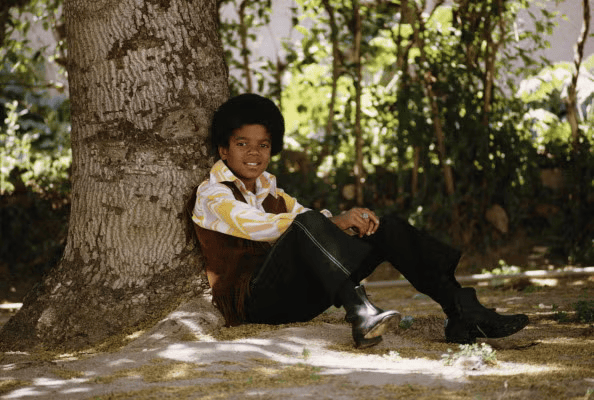
Quasi tutti i fratelli di Jackson hanno lasciato il segno nell'industria musicale, tra cui Rebbie, Jackie, Tito, Jermaine, La Toya, Marlon, Randy e Janet Jackson. (Suo fratello Brandon, gemello di Marlon, morì poco dopo la nascita.) Joseph spinse i suoi figli a eccellere, facendoli provare cinque ore al giorno dopo scuola, ed era noto per diventare violento con loro. Si diceva che li picchiasse con una fibbia di cintura o con il cavo di un bollitore elettrico e che ordinasse loro di rompere un ramo da un albero se sbagliavano un passo di danza, in modo da poterli colpire con esso.
I Jackson 5
Joseph plasmò i suoi figli in un gruppo musicale all'inizio degli anni '60 che sarebbe poi diventato noto come i Jackson 5. Inizialmente, il gruppo della famiglia Jackson era composto dai fratelli maggiori di Jackson, Tito, Jermaine e Jackie. Jackson si unì ai suoi fratelli a 5 anni ed emerse come il cantante principale del gruppo. Mostrò una gamma e una profondità straordinarie per un performer così giovane, impressionando il pubblico con la sua capacità di trasmettere emozioni complesse. Diventarono ufficialmente i Jackson 5 quando il loro fratello maggiore, Marlon, si unì al gruppo.
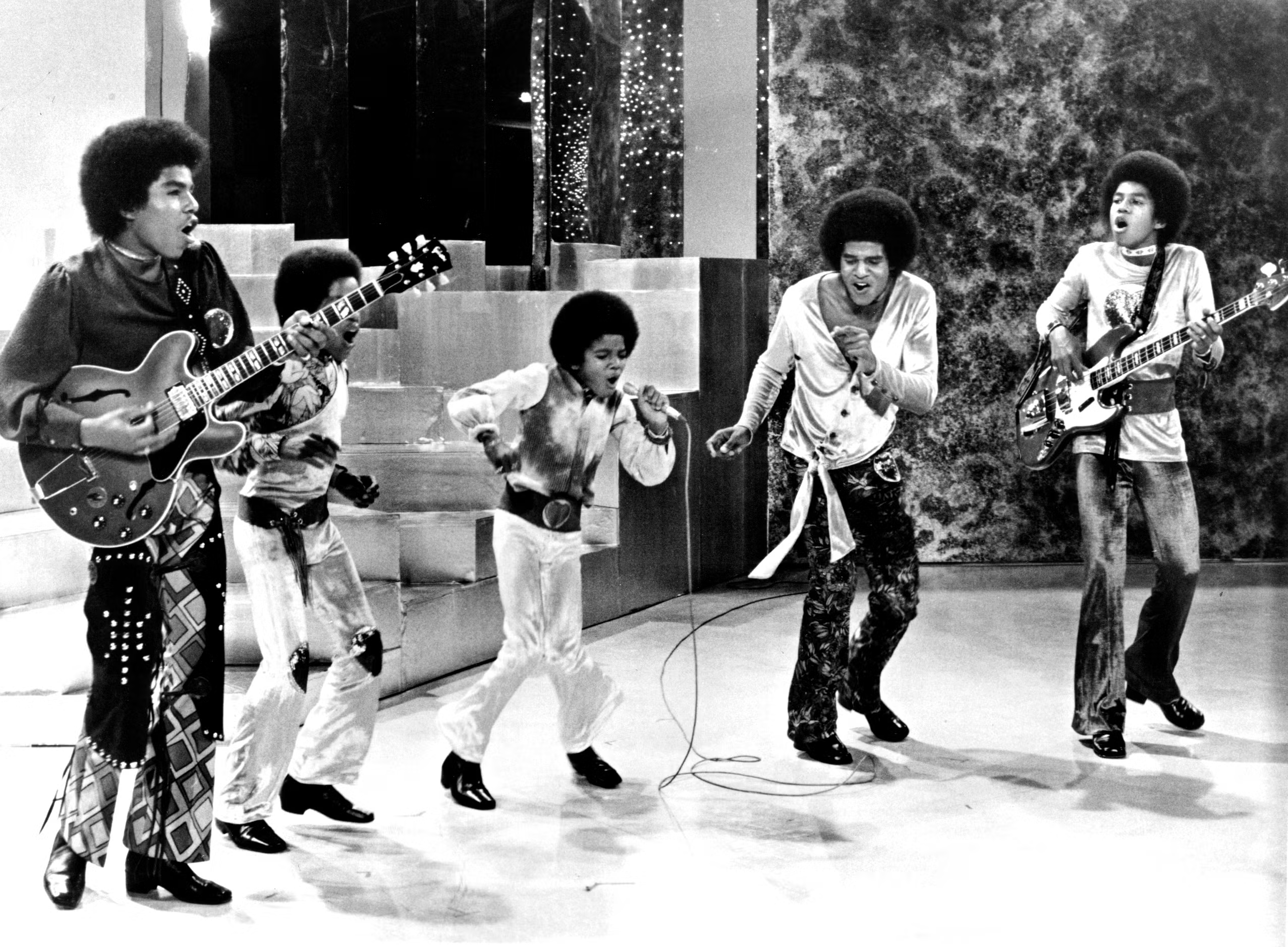
Jackson e i suoi fratelli trascorsero ore infinite a provare e perfezionare il loro spettacolo. Inizialmente, i Jackson 5 suonavano in concerti locali e costruirono un forte seguito. Incisero un singolo da soli, "Big Boy", con il lato B "You’ve Changed", ma il disco non suscitò molto interesse. Il gruppo passò ad aprire per artisti R&B come Gladys Knight e i Pips, James Brown e Sam e Dave. Molti di questi artisti erano sotto contratto con la leggendaria etichetta discografica Motown, e i Jackson 5 alla fine catturarono l'attenzione del fondatore della Motown, Berry Gordy.
Impressionato dal gruppo, Gordy firmò un contratto con loro all'inizio del 1969. Jackson e i suoi fratelli si trasferirono a Los Angeles, dove vissero con Gordy e Diana Ross delle Supremes mentre si sistemavano. I Jackson 5 fecero la loro prima apparizione televisiva durante il concorso di bellezza Miss Black American del 1969, esibendosi in una cover di "It’s Your Thing." Il loro primo album, Diana Ross Presents the Jackson 5, raggiunse le classifiche nel dicembre 1969, e il singolo "I Want You Back" raggiunse il numero 1 nella Billboard Hot 100 poco dopo.
Altri singoli di successo seguirono rapidamente, come "ABC", "The Love You Save", e "I’ll Be There." Per diversi anni, Jackson e i Jackson 5 mantennero un fitto programma di tour e registrazioni sotto la supervisione di Gordy e del suo staff Motown. Il gruppo divenne così popolare che ebbe anche il proprio show cartone animato omonimo, andato in onda dal 1971 al 1972. Jackson popolarizzò anche il "robot dance" dopo aver usato il movimento durante una performance del 1973 della canzone "Dancing Machine" nel The Mike Douglas Show.
Nonostante il grande successo del gruppo, c'erano problemi in corso dietro le quinte. Le tensioni aumentarono tra Gordy e Joseph riguardo alla gestione delle carriere dei suoi figli, con i Jackson che volevano più controllo creativo sul loro materiale. Il gruppo interruppe ufficialmente i legami con la Motown nel 1976, anche se Jermaine rimase con l'etichetta per perseguire la sua carriera solista. Ora chiamandosi i Jackson, il gruppo firmò un nuovo contratto discografico con la Epic Records. Con l'uscita del loro terzo album per l'etichetta, Destiny (1978), i fratelli erano emersi come talentuosi cantautori.
Carriera solista
Jackson iniziò la sua carriera solista mentre continuava a esibirsi con i Jackson 5. Pubblicò il suo album solista di debutto, Got to Be There (1971), all'età di 13 anni, e il brano principale raggiunse le classifiche. Ottenne il suo primo singolo solista al numero 1 con il brano principale del suo secondo album Ben (1972), che registrò per il film del 1972 con lo stesso nome su un ratto killer. Jackson seguì quegli album con Music and Me (1973) e Forever, Michael (1975), quest'ultimo fu il suo ultimo album con la Motown Records.
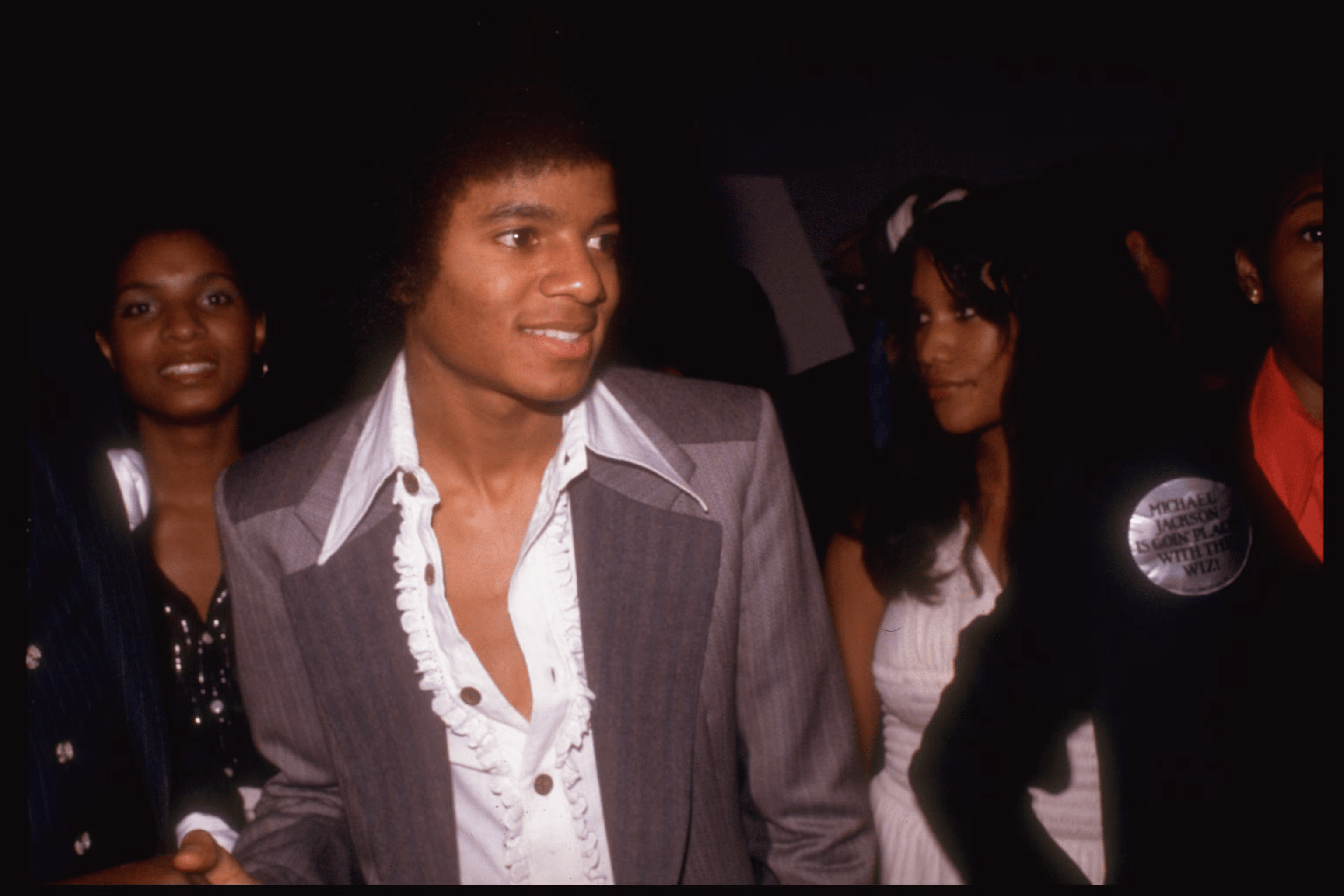
Con l'aumento della fama di Jackson, provò molto la recitazione, e l'esperienza lasciò il segno anche sulla sua musica. Jackson interpretò lo Spaventapasseri nel film diretto da Sidney Lumet, The Wiz (1977), recitando accanto a Diana Ross e Nipsey Russell. Mentre viveva a New York per girare il film, Jackson visitava frequentemente il nightclub Studio 54 ed era esposto alla musica hip-hop emergente, che influenzò il suo beatboxing in canzoni come "Working Night and Day."
Jackson raggiunse il suo punto di svolta nella carriera solista con Off the Wall (1979), il suo primo album con la Epic Records e il primo prodotto da Quincy Jones, che incontrò mentre lavorava a The Wiz. Un'infettiva miscela di pop e funk, Off the Wall presentava il singolo vincitore del Grammy "Don’t Stop ’Til You Get Enough," insieme a successi come "Rock with You," "She’s Out of My Life," e il brano principale. I critici affermarono che l'album spostava Jackson dalla musica pop della sua giovinezza verso un suono più complesso, e alcuni lo hanno definito uno dei migliori album pop mai realizzati.
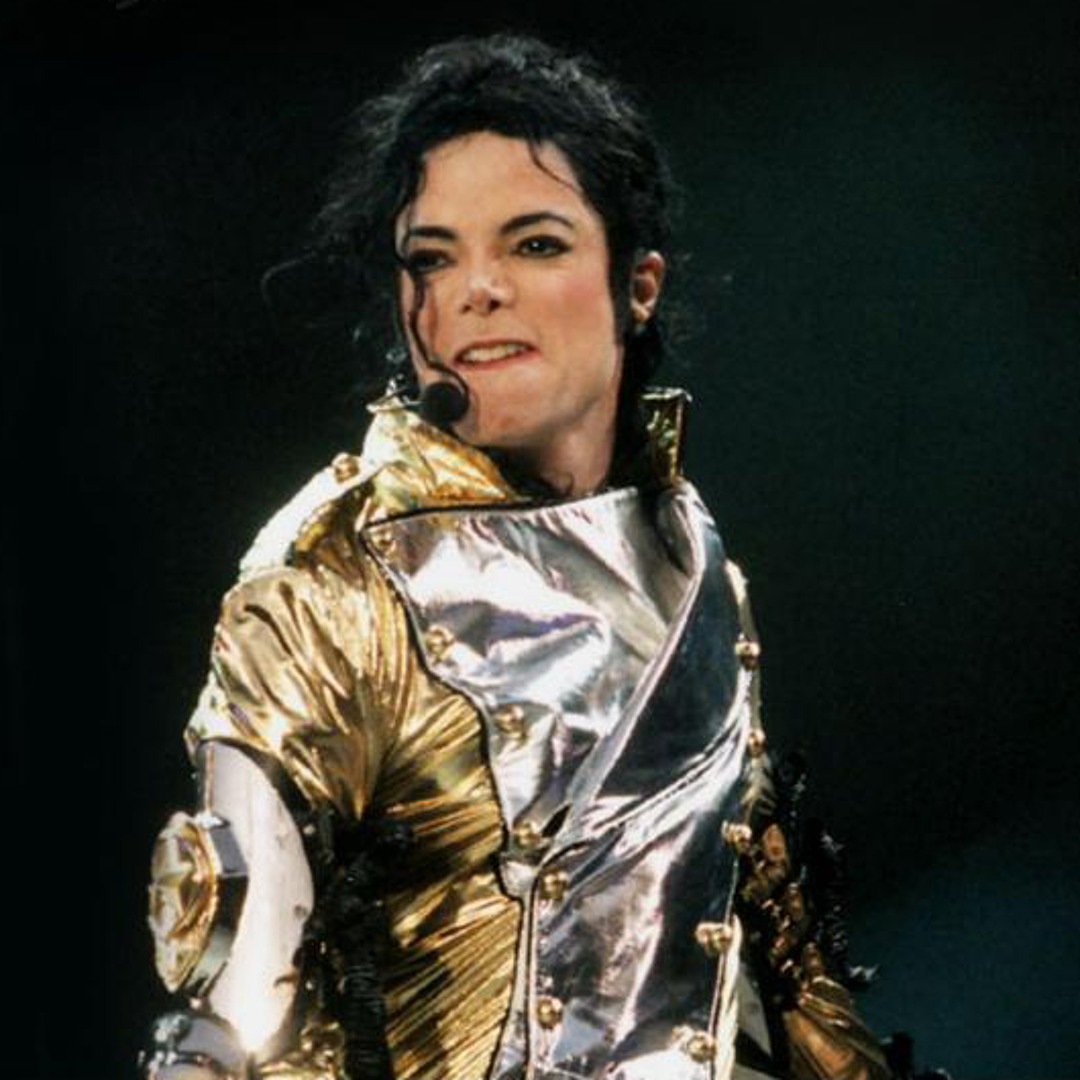
Jackson stava ancora esibendosi con i suoi fratelli in quel periodo, e la risposta straordinariamente positiva a Off the Wall aiutò i Jackson come gruppo. Il loro album Triumph (1980) vendette più di 1 milione di copie, e i fratelli intrapresero un tour esteso per supportare la registrazione. Allo stesso tempo, Jackson continuò a esplorare nuovi modi per espandere la sua carriera. Nel 1983, Jackson intraprese il suo ultimo tour con i suoi fratelli per supportare l'album Victory (1984). Il duetto di Jackson con Mick Jagger, chiamato "State of Shock" fu il singolo di maggior successo dell'album.
Successo globale con Thriller
Jackson raggiunse un successo senza precedenti con l'uscita del suo sesto album solista, Thriller (1982), che, a partire dall'agosto 2021, era ancora riconosciuto dal Guinness World Records come l'album più venduto di tutti i tempi, avendo venduto 67 milioni di copie in tutto il mondo e 34 milioni solo negli Stati Uniti. L'album rimase in classifica per 80 settimane dopo la sua uscita, mantenendo il primo posto per 37 settimane, e generò sette successi nella Top 10, tra cui "Thriller," "Billie Jean," "Beat It," "Human Nature," "Wanna Be Startin’ Somethin’," e "P.Y.T. (Pretty Young Thing)."
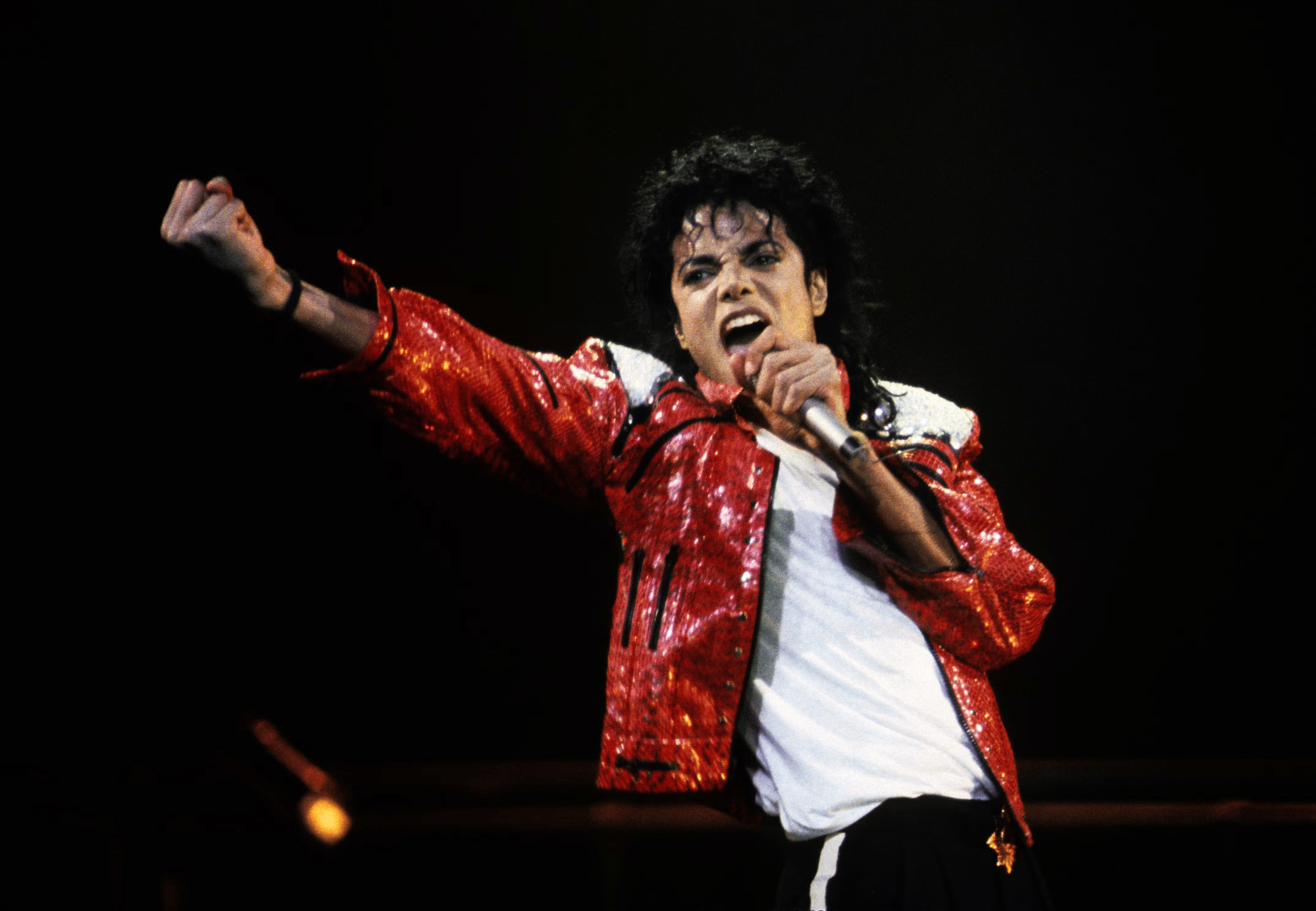
L'album ottenne 12 nomination ai Grammy Awards e vinse otto, entrambi record all'epoca. Jackson girò anche un elaborato video musicale per il brano principale dell'album. Diretto dal cineasta John Landis, il mini-film di 14 minuti "Thriller" presenta una trama horror che culmina con Jackson che danza con dozzine di zombie in una strada di una città abbandonata. Dopo il suo debutto su MTV il 2 dicembre 1983, fu acclamato come uno dei più grandi video musicali di tutti i tempi e divenne il primo video musicale a essere selezionato per il National Film Registry nel 2009.
In uno speciale televisivo del 1983 dedicato alla Motown, Jackson eseguì il suo successo al numero 1 "Billie Jean" e debuttò il moonwalk, che divenne uno dei suoi movimenti distintivi. Il passo di danza, che il musicista R&B Jeffrey Daniel gli aveva insegnato tre anni prima, coinvolge il ballerino che scivola all'indietro nonostante le azioni corporee suggeriscano un movimento in avanti. La performance di danza molto acclamata aumentò ulteriormente le vendite dell'album già di successo Thriller. Il New York Times definì Jackson un "fenomeno musicale", scrivendo: "Nel mondo della musica pop, c'è Michael Jackson e ci sono tutti gli altri."
Incidente pubblicitario con Pepsi
Jackson firmò un contratto promozionale record di 5 milioni di dollari con PepsiCo nel novembre 1983, lanciando la campagna New Generation mirata ai giovani del marchio. Tuttavia, mentre girava uno spot per Pepsi il gennaio successivo, i fuochi d'artificio accesero accidentalmente i suoi capelli, causando ustioni di secondo e terzo grado sul cuoio capelluto.
Jackson subì un intervento chirurgico per riparare le sue ferite e si crede che abbia iniziato a sperimentare con la chirurgia plastica in quel periodo. Il suo viso, in particolare il naso, sarebbe cambiato drasticamente negli anni successivi. Jackson alla fine intentò una causa contro Pepsi e raggiunse un accordo di 1,5 milioni di dollari.
L'apice della fama
Nel 1985, Jackson mostrò il suo lato altruistico collaborando con Lionel Richie per co-scrivere "We Are the World", un singolo di beneficenza per l'organizzazione no-profit USA for Africa. Un vero e proprio chi è chi delle stelle musicali partecipò al progetto, tra cui Ray Charles, Bob Dylan, Willie Nelson, Bruce Springsteen e Tina Turner. Divenne uno dei singoli più venduti di tutti i tempi e, secondo alcuni, raccolse più di 75 milioni di dollari per aiuti umanitari per combattere la povertà in Africa.
Cinque anni dopo Thriller, Jackson pubblicò il suo attesissimo album di follow-up Bad (1987). Sebbene non riuscisse a duplicare le vendite fenomenali di Thriller, Bad raggiunse comunque la vetta delle classifiche e divenne il primo album a presentare cinque successi al numero 1 con "I Just Can’t Stop Loving You," "Bad," "The Way You Make Me Feel," "Man in the Mirror," e "Dirty Diana." Il regista Martin Scorsese diresse il video musicale del brano principale, che presentava un allora sconosciuto Wesley Snipes e coinvolgeva una storia elaborata su adolescenti delinquenti e violenza di gang. Jackson trascorse più di un anno in tour, suonando concerti per promuovere l'album.
Moonwalk: un memoir
Nel 1988, Jackson acquistò 2.700 acri di terreno a Los Olivos, California, per 17 milioni di dollari e lo trasformò in Neverland Ranch, una casa e un parco divertimenti privato che possedette fino al 2005. Prende il nome dall'isola fantastica della storia di Peter Pan, includeva uno zoo, un treno, una ruota panoramica e un cinema da 50 posti. Diversi animali esotici erano tenuti nel ranch, incluso il famoso scimpanzé di Jackson, Bubbles.
Verso la fine degli anni '80, iniziarono a circolare voci secondo cui Jackson stava schiarendo il colore della sua pelle per apparire più bianco e dormendo in una camera d'ossigeno speciale per aumentare la sua vita. Nel 1993, Jackson accettò un'intervista televisiva rara con Oprah Winfrey per placare le voci. Spiegò che il cambiamento nel suo tono di pelle era il risultato di una condizione della pelle nota come vitiligine e si aprì riguardo agli abusi subiti da suo padre.
Successo continuo con Dangerous
Nel 1991, Jackson pubblicò il suo ottavo album solista Dangerous, il suo primo senza Quincy Jones in 16 anni. L'album segnò una direzione diversa per Jackson e mescolò vari generi, tra cui R&B, funk, gospel, hip-hop, rock, industriale e classica. Includeva il singolo di successo "Black or White," con un video musicale accompagnatorio diretto da Landis e con un'apparizione di cameo della star infantile Macaulay Culkin. Gli ultimi minuti del video mostravano Jackson fare gesti sessuali e danneggiare violentemente auto e edifici, il che suscitò critiche da parte di alcuni spettatori. Jackson si scusò e modificò il video per rimuovere questi elementi.
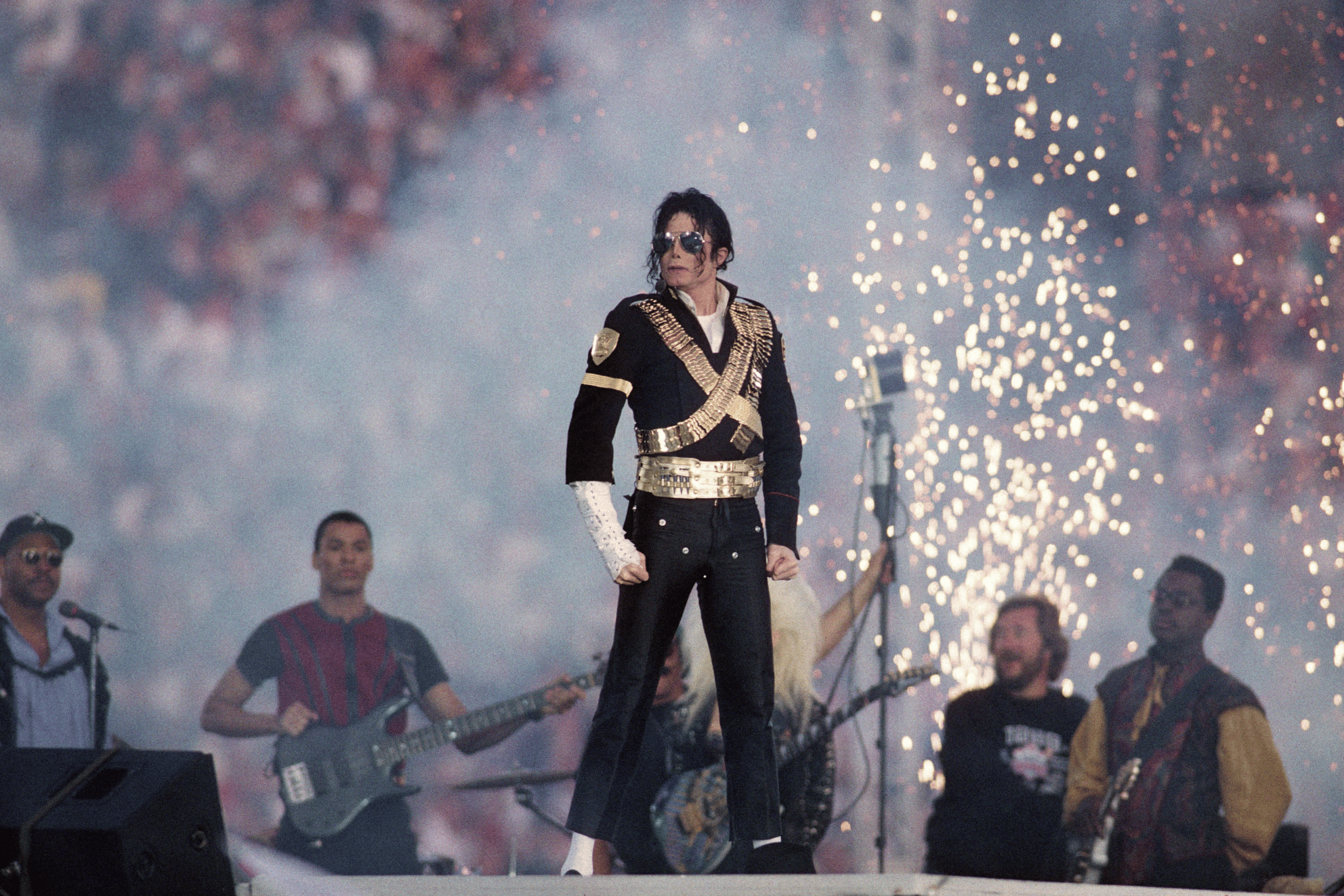
La musica di Jackson continuò a godere di una vasta popolarità negli anni successivi. Nel 1993, si esibì in diversi eventi importanti, tra cui lo spettacolo di metà tempo del Superbowl XXVII. Tuttavia, il 1993 vide anche la prima di diverse accuse di molestie su minori contro Jackson, quando un ragazzo di 13 anni affermò che la star della musica lo aveva palpeggiato. Jackson era noto per ospitare ragazzi a dormire al suo Neverland Ranch, ma questa fu la prima accusa pubblica di illeciti.
Declino della carriera
Michael Jackson affrontò molte controversie nella sua vita, incluso un processo penale del 2005 in cui fu assolto da tutte le accuse.
La carriera musicale di Jackson iniziò a declinare con la tiepida accoglienza di HIStory: Past, Present, and Future, Book I (1995). L'album in due dischi presentava una compilation dei suoi successi nel primo disco e nuovo materiale nel secondo, comprese collaborazioni con Janet Jackson, The Notorious B.I.G., Shaquille O’Neal e Slash. HIStory fu considerato l'album più personale di Jackson, con testi riguardanti le sue accuse di abuso infantile e la rabbia per il suo trattamento da parte dei media. Il disco generò due successi, "You Are Not Alone" e il suo duetto con la sorella Janet, "Scream." Il video a tema spaziale per quest'ultima canzone costò un record di 7 milioni di dollari per essere prodotto e vinse un Grammy Award per i suoi effetti eleganti. Un altro brano dell'album, "They Don’t Care About Us," portò a Jackson intense critiche per l'uso di un termine antisemita.
Nel 2001, Jackson pubblicò Invincible, il suo ultimo album in studio prima della sua morte. Costò 30 milioni di dollari per essere prodotto, rendendolo l'album più costoso mai realizzato. L'album toccava temi come l'isolamento, questioni sociali e le obiezioni di Jackson nei confronti dei media. Nonostante debuttasse al numero 1 delle classifiche Billboard, ricevette recensioni miste dai critici. Invincible fu pubblicato mentre Jackson aveva problemi legali con la Sony riguardo ai diritti delle sue registrazioni master, che aumentarono quando Jackson definì il presidente della Sony Music Tommy Mottola un razzista che sfrutta gli artisti neri.
All'inizio del nuovo millennio, Jackson era sempre più noto per le sue eccentricità, incluso indossare una maschera chirurgica in pubblico. Nel 2002, Jackson fece notizia quando sembrò confuso e disorientato sul palco agli MTV Video Music Awards. Nel 2002, affrontò ampie critiche per aver fatto penzolare il suo bambino, Blanket, su un balcone mentre salutava i fan a Berlino, in Germania. In un'intervista successiva, Jackson spiegò: "Stavamo aspettando migliaia di fan sotto, e stavano cantando che volevano vedere mio figlio, quindi fui gentile da farli vedere. Stavo facendo qualcosa per innocenza."
Accuse di abuso
Nel 1993, il tredicenne Jordan Chandler accusò Jackson di molestie sessuale. A questo punto, era già ben noto che la star della musica ospitava ragazzi al suo Neverland Ranch. Dopo che fu fatta l'accusa, la polizia perquisì il ranch, ma dichiarò di non aver trovato prove a sostegno della denuncia. L'anno successivo, Jackson risolse il caso extragiudizialmente con la famiglia del ragazzo.
Nel documentario televisivo del 2003 Living with Michael Jackson, il giornalista britannico Martin Bashir trascorse diversi mesi con il cantante, riuscendo persino a fargli discutere delle sue relazioni con i bambini. Jackson ammise di continuare a far dormire bambini al suo ranch, anche dopo le accuse del 1993 e che a volte dormiva con i bambini nel suo letto. "Perché non puoi condividere il tuo letto? È la cosa più amorevole da fare, condividere il tuo letto con qualcuno," disse Jackson a Bashir.
Jackson incontrò ulteriori problemi legali nel 2003 quando fu arrestato con accuse relative a incidenti con un ragazzo di 13 anni. Affrontò un totale di 10 capi d'accusa, tra cui condotta lasciva con un minore, cospirazione per commettere rapimento di minori, falsa detenzione e estorsione. Il processo del 2005 risultante fu un circo mediatico, con fan, detrattori e troupe di telecamere circondando il tribunale. Più di 130 persone testimoniarono, e l'accusatore di Jackson descrisse tramite un video come fosse stato dato del vino e molestato. Tuttavia, la giuria trovò problemi con la sua testimonianza e quella di sua madre. Jackson fu dichiarato non colpevole di tutte le accuse nel giugno 2005.
Le accuse di abuso sessuale contro Jackson riemersero all'inizio del 2019 con la messa in onda di Leaving Neverland al Sundance Film Festival, seguita da una trasmissione HBO. Il documentario di quattro ore esplorava i ricordi di due uomini che descrivono come la pop star li avesse attratti nella sua orbita quando erano ragazzi, guadagnando la fiducia dei loro genitori, prima di costringerli a pratiche sessuali in camere d'albergo e al suo Neverland Ranch. La proprietà di Jackson definì i due accusatori "perjurers seriali" e avviò una causa da 100 milioni di dollari contro HBO. Il caso fu inviato in arbitrato nel dicembre 2020.
Matrimonio e figli
Nell'agosto 1994, Jackson annunciò di essersi sposato con Lisa Marie Presley, figlia della leggenda del rock Elvis Presley. L'unione si rivelò di breve durata, poiché divorziarono nel 1996. Alcuni pensarono che il matrimonio fosse una manovra pubblicitaria per ripristinare l'immagine di Jackson dopo le accuse di molestie su minori.
Storia correlata
Successivamente, nel 1996, Jackson sposò l'infermiera Debbie Rowe. Jackson e Rowe ebbero due figli tramite inseminazione artificiale: il figlio Michael Joseph Jackson Jr., nato nel 1997 e noto come Prince Jackson, e la figlia Paris Michael Katherine Jackson, nata nel 1998. Quando Rowe e Jackson divorziarono nel 1999, Michael ottenne la custodia totale dei loro due figli. Jackson avrebbe avuto un terzo figlio, Prince Michael Jackson II, che si faceva chiamare "Blanket" e ora "Bigi," con una surrogata sconosciuta nel 2002.
Causa della morte di Michael Jackson
Jackson morì il 25 giugno 2009, all'età di 50 anni, dopo aver subito un arresto cardiaco nella sua casa di Los Angeles. I tentativi di rianimazione fallirono, e fu portato d'urgenza in ospedale, dove morì più tardi quella mattina. Nel febbraio 2010, un rapporto ufficiale del coroner rivelò che la causa della morte di Jackson era stata un'intossicazione acuta da propofol, o un'overdose letale su un cocktail di farmaci prescritti che includevano i sedativi midazolam, diazepam e lidocaina.
Aiutato dal suo medico personale, il dottor Conrad Murray, Jackson aveva assunto farmaci sedativi per aiutarlo a dormire di notte. Murray disse alla polizia di credere che Jackson avesse sviluppato una particolare dipendenza dal propofol, che Jackson chiamava "latte". Murray riferì di somministrare propofol per via endovenosa la sera, in dosi da 50 milligrammi, e stava cercando di disintossicare la pop star dal farmaco intorno al momento della sua morte.
Un'indagine della polizia rivelò che Murray non era autorizzato a prescrivere la maggior parte dei farmaci controllati nello stato della California. Anche i passi che intraprese per salvare Jackson furono oggetto di scrutinio, poiché le prove mostrarono che non erano stati rispettati gli standard di cura per la somministrazione di propofol, e l'attrezzatura raccomandata per il monitoraggio del paziente, dosaggio preciso e rianimazione non era presente. Di conseguenza, la morte di Jackson fu classificata come omicidio. Murray fu condannato per omicidio colposo nel novembre 2011, ricevendo una pena massima di quattro anni di carcere.
Nel 2013, la famiglia Jackson avviò una causa per morte ingiusta contro AEG Live, la compagnia di intrattenimento che promosse la serie di concerti di ritorno pianificata da Jackson nel 2009. Credevano che la compagnia non avesse protetto adeguatamente il cantante mentre era sotto la cura di Murray. Gli avvocati della famiglia Jackson cercarono fino a 1,5 miliardi di dollari — una stima di quanto Jackson avrebbe potuto guadagnare fino a quel momento — ma quell'ottobre, una giuria determinò che l'AEG non era responsabile per la morte del cantante.
Memoriali e eredità
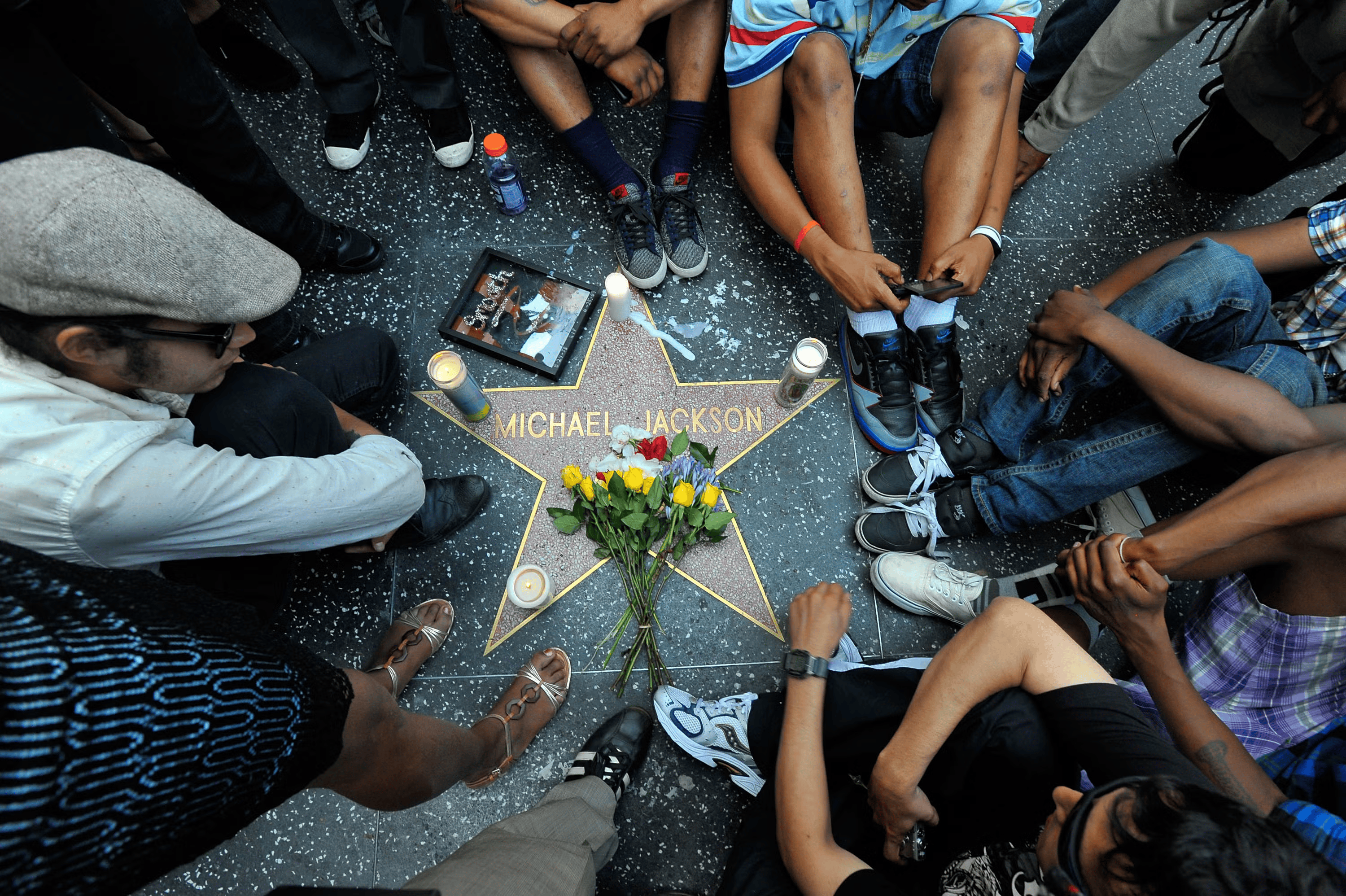
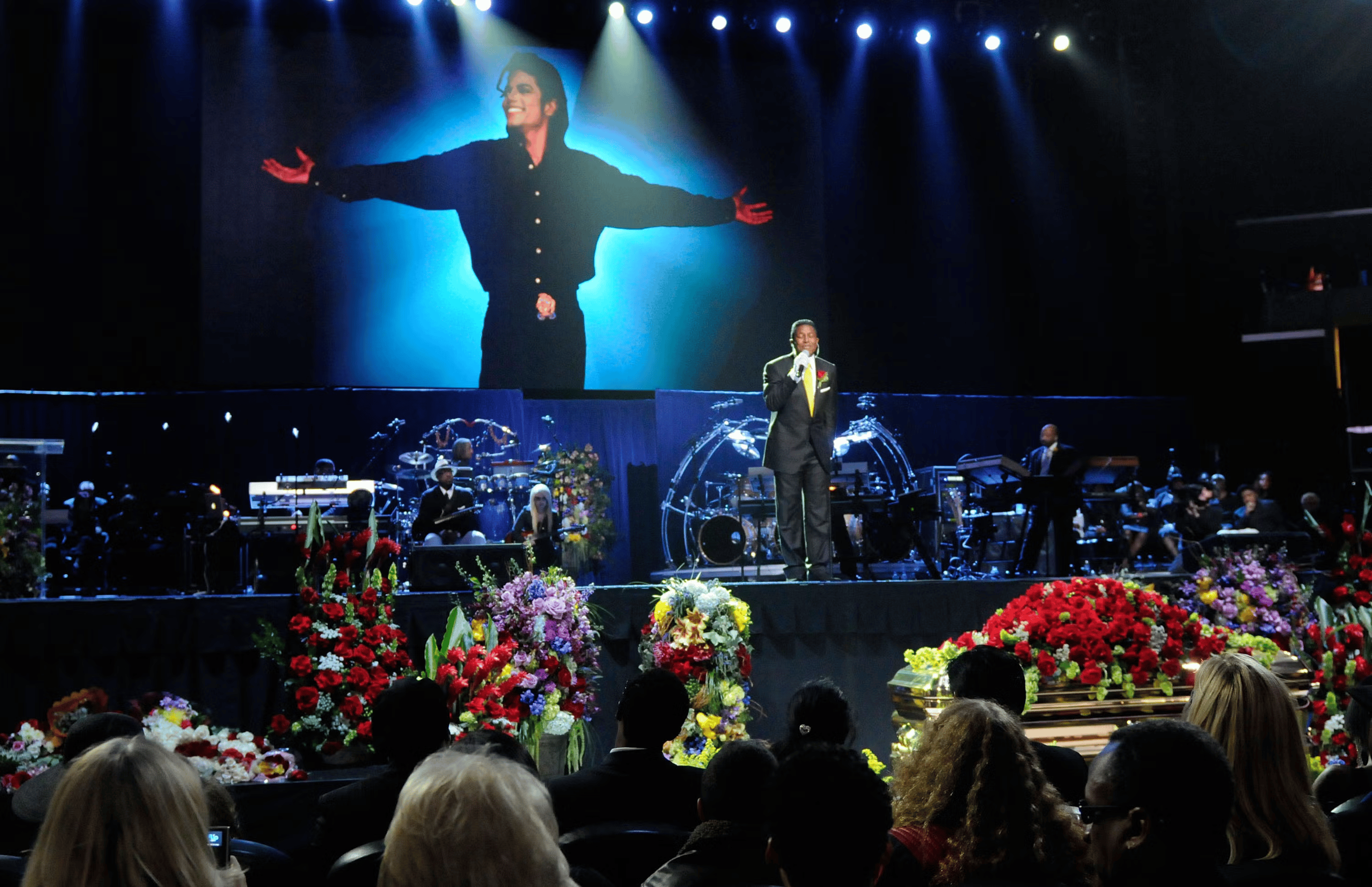
Nel luglio 2009, si tenne un memoriale televisivo per i fan di Jackson al Staples Center nel centro di Los Angeles. Sebbene 17.500 biglietti gratuiti fossero stati distribuiti ai fan tramite lotteria, si stima che 1 miliardo di spettatori abbia guardato il memoriale in televisione o online. La morte di Jackson portò a un'ondata di lutto e simpatia pubblica. Memoriali furono eretti in tutto il mondo, incluso uno nell'arena dove era previsto si esibisse e un altro nella sua casa d'infanzia a Gary, Indiana. La famiglia Jackson tenne un funerale privato a settembre al Forest Lawn Memorial Park di Glendale, California, per i membri della famiglia immediata e 200 ospiti.
Nel corso della sua carriera, Jackson aveva accumulato 38 nomination ai Grammy Awards e 13 vittorie, tra cui Album dell'Anno per Thriller, Disco dell'Anno per "Beat It," Canzone dell'Anno per "We Are The World," e il suo primo Grammy nel 1980 per la Migliore Performance Vocale Maschile R&B su "Don’t Stop ’Til You Get Enough." Tra i suoi altri premi e riconoscimenti ci sono il Grammy Legend Award del 1993 e la sua induzione nella Rock & Roll Hall of Fame nel 2001.
Michael Jackson’s This Is It
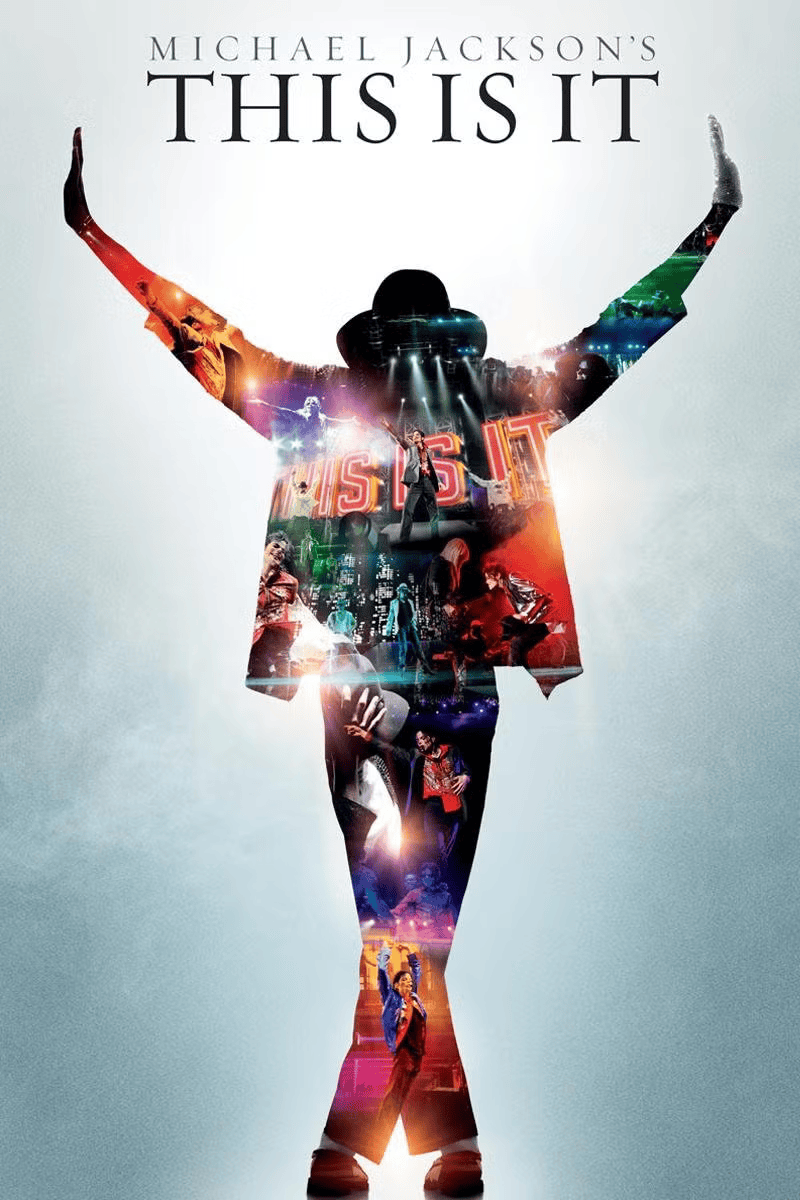
Un documentario sui preparativi di Jackson per il suo ultimo tour, intitolato This Is It, fu rilasciato nel 2009. Inoltre, una manciata di album postumi fu pubblicata negli anni successivi alla morte di Jackson. Il primo, Michael, fu pubblicato nel dicembre 2010 in mezzo a polemiche su se il cantante avesse effettivamente registrato alcune delle tracce, una affermazione che la proprietà di Jackson successivamente smentì. Il secondo, _Xscape (_2014), presentava il cantante R&B Usher che eseguiva il singolo "Love Never Felt So Good."
Dalla sua morte, Jackson è stato profilo in molte biografie e ha ispirato la creazione di due spettacoli del Cirque du Soleil. Fu onorato postumo con il Legacy Award per il Servizio Umanitario della Elizabeth Taylor AIDS Foundation nel 2018, con i suoi figli, Paris e Prince, che accettarono a suo nome.
L'eredità di Michael Jackson
Al momento della sua morte, Jackson era in debito di circa 500 milioni di dollari, sebbene questo fosse stato risolto grazie a un investimento precedente. Nel 2016, l'eredità di Jackson vendette la sua quota di Sony/ATV per 750 milioni di dollari, e due anni dopo, l'eredità ricevette altri 287,5 milioni di dollari per la sua partecipazione in EMI Music Publishing. Inoltre, il potere di guadagno di Jackson durò ben oltre i suoi ultimi giorni. Nell'ottobre 2017, Forbes annunciò che Jackson aveva guidato la lista delle celebrità decedute con il maggior guadagno per il quinto anno consecutivo, guadagnando 75 milioni di dollari. A gennaio 2026, l'eredità di Jackson è valutata oltre 2 miliardi di dollari.
Film su Michael
Ad aprile 2026, il successo iniziale di Jackson sarà raccontato nel film biografico musicale Michael. La pop star scomparsa sarà interpretata dal suo nipote di 29 anni, Jaafar Jackson, che è il figlio di Jermaine Jackson. Sebbene il film includesse inizialmente scene che affrontavano le prime accuse di abuso infantile contro di lui, si dice che abbia subito 15 milioni di dollari di riprese per eliminare le scene dopo che la sua eredità trovò una clausola nel patto del primo accusatore di Jackson, Jordan Chandler, che proibiva la menzione del suo nome in qualsiasi film sulla pop star.
Citazioni
- Essere sul palco è magia. Non c'è niente di simile. Senti l'energia di tutti coloro che sono là fuori. La senti in tutto il corpo.
- Essere un intrattenitore, non puoi mai sapere chi è tuo amico.
- Essere assalito fa male. Ti senti come spaghetti tra migliaia di mani. Ti stanno strappando e tirando i capelli. E senti che in qualsiasi momento potresti semplicemente rompersi.
- Odio prendere credito per le canzoni che ho scritto. Sento che da qualche parte, in qualche luogo, è stato fatto, e io sono solo un corriere che lo porta nel mondo. Ci credo davvero. Amo quello che faccio. Sono felice di quello che faccio. È evasione.
- Perché non puoi condividere il tuo letto? È la cosa più amorevole da fare, condividere il tuo letto con qualcuno.
- Se entri in questo mondo sapendo di essere amato e lasci questo mondo sapendo lo stesso, allora tutto ciò che accade nel mezzo può essere affrontato.
- Voglio sempre sapere cosa fa crollare i buoni performer.
- Mio padre provava con una cintura in mano. Non potevi sbagliare.
- La magia è facile se ci metti il cuore.
- Non sarei felice a fare solo un tipo di musica o etichettare noi stessi. Mi piace fare qualcosa per tutti... Non mi piace che la nostra musica venga etichettata. Le etichette sono come... razzismo.
- Quello che chiedo è se questo è ancora un paese dove una persona peculiare come Michael Jackson può avere un trattamento equo e essere considerato innocente fino a prova contraria... o è solo un cortile americano del 21° secolo dove ci sentiamo tutti liberi di attaccare il gallo che cammina sulla luna... e beccarlo a morte?
 Michael Jackson: a short bio
Known as the “King of Pop,” Michael Jackson was a best-selling American singer, songwriter, and dancer. As a child, Jackson became the lead singer of his family’s popular Motown group, the Jackson 5. He went on to a solo career of astonishing worldwide success, delivering No. 1 hits from the albums Off the Wall, Thriller, and Bad. Thriller remains one of the best-selling albums of all time. In his later years, Jackson was dogged by allegations of child molestation. The 13-time Grammy Award winner died in 2009 at age 50 of a drug overdose just before launching a comeback tour.
Early Life and Family
Michael Joseph Jackson was born on August 29, 1958, in Gary, Indiana. He was the eighth of 10 children born to Joseph Jackson, a crane operator, and Katherine Jackson, a homemaker and a devout Jehovah’s Witness. Both of Jackson’s parents had musical aspirations: Katherine played clarinet and piano and aspired to be a country singer, while Joseph was a guitarist who performed in local R&B bands. They encouraged their children to pursue musical ambitions, and Jackson’s career began at age 5 under his father’s guidance.
Almost all of Jackson’s siblings made marks in the music industry, including Rebbie, Jackie, Tito, Jermaine, La Toya, Marlon, Randy, and Janet Jackson. (His brother Brandon, Marlon’s twin, died shortly after birth.) Joseph pushed his children hard to succeed, making them rehearse five hours a day after school, and was reportedly known to become violent with them. He was said to beat them with a belt buckle or electric kettle cord and to order them to break a branch off a tree if they got a dance step wrong, so he could hit them with it.
The Jackson 5
Joseph moulded his sons into a musical group in the early 1960s that would later become known as the Jackson 5. At first, the Jackson Family group consisted of Jackson’s older brothers Tito, Jermaine, and Jackie. Jackson joined his siblings at 5 years old and emerged as the group’s lead vocalist. He showed remarkable range and depth for such a young performer, impressing audiences with his ability to convey complex emotions. They officially became the Jackson 5 when their older brother, Marlon, joined the group.
Jackson and his brothers spent endless hours rehearsing and polishing their act. At first, the Jackson 5 played local gigs and built a strong following. They recorded one single on their own, “Big Boy,” with the B-side “You’ve Changed,” but the record failed to generate much interest. The group moved on to opening for R&B artists such as Gladys Knight and the Pips, James Brown, and Sam and Dave. Many of these performers were signed to the legendary Motown record label, and the Jackson 5 eventually caught the attention of Motown founder Berry Gordy.
Impressed by the group, Gordy signed the group to his label in early 1969. Jackson and his brothers moved to Los Angeles, where they lived with Gordy and Diana Ross of the Supremes as they settled in. The Jackson 5 made its first television appearance during the 1969 Miss Black American Pageant, performing a cover of “It’s Your Thing.” Their first album, Diana Ross Presents the Jackson 5, hit the charts in December 1969, and the single “I Want You Back” reached No. 1 on the Billboard Hot 100 shortly afterwards.
More chart-topping singles quickly followed, such as “ABC,” “The Love You Save,” and “I’ll Be There.” For several years, Jackson and the Jackson 5 maintained a busy tour and recording schedule under the supervision of Gordy and his Motown staff. The group became so popular that it even had its own self-titled cartoon show, which ran from 1971 to 1972. Jackson also popularised the “robot dance” after using the move during a 1973 performance of the song “Dancing Machine” on The Mike Douglas Show.
Despite the group’s great success, there was trouble brewing behind the scenes. Tensions mounted between Gordy and Joseph over the management of his children’s careers, with the Jacksons wanting more creative control over their material. The group officially severed ties with Motown in 1976, though Jermaine remained with the label to pursue his solo career. Now calling themselves the Jacksons, the group signed a new recording deal with Epic Records. By the release of its third album for the label, Destiny (1978), the brothers had emerged as talented songwriters.
Solo Career
Jackson began his solo career while simultaneously performing with the Jackson 5. He released his debut solo album, Got to Be There (1971), at age 13, and the title track reached the charts. He had his first solo No. 1 single with the title track from his sophomore album Ben (1972), which he recorded for the 1972 film of the same name about a killer rat. Jackson followed those albums with Music and Me (1973) and Forever, Michael (1975), the latter of which was his last album with Motown Records.
As Jackson’s stardom rose, he tried his hand at acting, and the experience left its mark on his music, too. Jackson portrayed the Scarecrow in the Sidney Lumet–directed film The Wiz (1977), starring alongside Diana Ross and Nipsey Russell. While living in New York City to make the film, Jackson frequently visited the Studio 54 nightclub and was exposed to early hip-hop music, which influenced his beatboxing on songs like “Working Night and Day.”
Jackson achieved his solo career breakthrough with Off the Wall (1979), his first album with Epic Records and his first produced by Quincy Jones, whom he met while working on The Wiz. An infectious blend of pop and funk, Off the Wall featured the Grammy Award–winning single “Don’t Stop ’Til You Get Enough,” along with such hits as “Rock with You,” “She’s Out of My Life,” and the title track. Critics felt the album moved Jackson from the pop music of his youth into a more complex sound, and some have called it one of the best pop albums ever made.
Jackson was still performing with his brothers at this time, and the overwhelmingly positive response to Off the Wall helped the Jacksons as a group. Their album Triumph (1980) sold more than 1 million copies, and the brothers went on an extensive tour to support the recording. At the same time, Jackson continued exploring more ways to branch out on his own. In 1983, Jackson embarked on his final tour with his brothers to support the album Victory (1984). Jackson’s duet with Mick Jagger, called “State of Shock” was the most successful single from the album.
Global Success with Thriller
Jackson achieved unparalleled success with the release of his sixth solo album, Thriller (1982), which, as of August 2021, was still recognised by Guinness World Records as the best-selling album of all time, having sold 67 million copies worldwide and 34 million in the United States alone. The album stayed on the charts for 80 weeks after its release, holding the No. 1 spot for 37 weeks, and generated seven Top 10 hits, including “Thriller,” “Billie Jean,” “Beat It,” “Human Nature,” “Wanna Be Startin’ Somethin’,” and “P.Y.T. (Pretty Young Thing).”
The album garnered 12 Grammy Award nominations and won eight, both records at the time. Jackson also filmed an elaborate music video for the album’s title track. Directed by filmmaker John Landis, the 14-minute “Thriller” mini-movie features a horror plot that culminates with Jackson dancing with dozens of zombies in an abandoned city street. Following its debut on MTV on December 2, 1983, it was hailed as one of the greatest music videos of all time and became the first music video to be selected for the National Film Registry in 2009.
On a 1983 television special honouring Motown, Jackson performed his No. 1 hit “Billie Jean” and debuted the moonwalk, which became one of his signature moves. The dance step, which R&B musician Jeffrey Daniel had taught him three years earlier, involves the dancer gliding backwards despite bodily actions that suggest forward motion. The much-lauded dance performance further boosted sales for the already successful Thriller album. The New York Times hailed Jackson as a “musical phenomenon,” writing: “In the world of pop music, there is Michael Jackson and there is everybody else.”
Pepsi Commercial Accident
Jackson signed a record-breaking $5 million promotional deal with PepsiCo in November 1983, launching the brand’s youth-targeted New Generation campaign. While filming a Pepsi commercial the following January, however, pyrotechnics accidentally set his hair on fire, resulting in second- and third-degree burns on his scalp.
Jackson had surgery to repair his injuries and is believed to have begun experimenting with plastic surgery around this time. His face, especially his nose, would become dramatically altered in the coming years. Jackson eventually filed a lawsuit against Pepsi and reached a settlement for $1.5 million.
The Height of Stardom
In 1985, Jackson showed his altruistic side by working with Lionel Richie to co-write “We Are the World,” a charity single for the non-profit organisation USA for Africa. A veritable who’s who of music stars participated in the project, including Ray Charles, Bob Dylan, Willie Nelson, Bruce Springsteen, and Tina Turner. It became one of the top-selling singles of all time and, by some accounts, raised more than $75 million for humanitarian aid to fight poverty in Africa.
Five years after Thriller, Jackson released his highly anticipated follow-up album Bad (1987). Although unable to duplicate the phenomenal sales of Thriller, Bad still reached the top of the charts and became the first album to feature five No. 1 hits with “I Just Can’t Stop Loving You,” “Bad,” “The Way You Make Me Feel,” “Man in the Mirror,” and “Dirty Diana.” Filmmaker Martin Scorsese directed the title track’s music video, which featured a then-unknown Wesley Snipes and involved an elaborate story about delinquent teenagers and gang violence. Jackson spent more than a year on the road, playing concerts to promote the album.
Moonwalk: A Memoir
In 1988, Jackson bought 2,700 acres of property in Los Olivos, California, for $17 million and converted it into Neverland Ranch, a home and private amusement park he owned until 2005. Named after the fantasy island from the Peter Pan story, it included a zoo, train, Ferris wheel, and 50-seat movie theatre. Several exotic pets were kept at the ranch, including Jackson’s famous pet chimpanzee Bubbles.
Around the late 1980s, rumors began swirling that Jackson was lightening the color of his skin to appear more white and sleeping in a special oxygen chamber to increase his lifespan. In 1993, Jackson agreed to a rare television interview with Oprah Winfrey to quell rumors. He explained that the change in his skin tone was the result of a skin condition known as vitiligo, and he opened up about the abuse he suffered from his father.
Continued Success with Dangerous
In 1991, Jackson released his eighth solo album Dangerous, his first without Quincy Jones in 16 years. The album marked a different direction for Jackson and mixed various genres, including R&B, funk, gospel, hip-hop, rock, industrial, and classical. It included the hit single “Black or White,” with an accompanying music video directed by Landis and featuring a cameo appearance by child star Macaulay Culkin. The final minutes of the video featured Jackson making sexual gesturing and violently damaging cars and buildings, which drew criticism from some viewers. Jackson issued an apology and edited the video to remove these elements.
Jackson’s music continued to enjoy widespread popularity in the years that followed. In 1993, he performed at several important events, including the halftime show of Superbowl XXVII. However, 1993 also saw the first of several child molestation allegations against Jackson, when a 13-year-old boy claimed that the music star had fondled him. Jackson was known to have sleepovers with boys at his Neverland Ranch, but this was the first public charge of wrongdoing.
Career Decline
Michael Jackson faced many controversies in his life, including a 2005 criminal trial in which he was acquitted of all charges.
Jackson’s musical career began to decline with the lukewarm reception to HIStory: Past, Present, and Future, Book I (1995). The two-disc album featured a greatest hits compilation on disc one and new material on disc two, including collaborations with Janet Jackson, The Notorious B.I.G., Shaquille O’Neal, and Slash. HIStory was considered Jackson’s most personal album, with lyrics pertaining to his child abuse allegations and anger of his treatment by the media. The record spawned two hits, “You Are Not Alone” and his duet with sister Janet, “Scream.” The spaceship-themed video for the latter song cost a record-setting $7 million to produce and earned a Grammy Award for its slick effects. Another track from the album, “They Don’t Care About Us,” brought Jackson intense criticism for using an anti-Semitic term.
In 2001, Jackson released Invincible, his final studio album prior to his death. It cost $30 million to produce, making it the most expensive album ever made. The album touched on topics such as isolation, social issues, and Jackson’s ongoing objections to the media. Despite debuting at No. 1 on the Billboard charts, it received mixed reviews from critics. Invincible was released as Jackson was having legal issues with Sony over the rights to his master recordings, which escalated when Jackson called Sony Music Chairman Tommy Mottola a racist who exploits Black artists.
By the turn of the century, Jackson was increasingly known for his eccentricities, including wearing a surgical mask in public. In 2002, Jackson made headlines when he seemed confused and disoriented on stage at the MTV Video Music Awards. In 2002, he faced widespread criticism for dangling his baby son, Blanket, over a balcony while greeting fans in Berlin, Germany. In a later interview, Jackson explained: “We were waiting for thousands of fans down below, and they were chanting they wanted to see my child, so I was kind enough to let them see. I was doing something out of innocence.”
Abuse Allegations
In 1993, 13-year-old Jordan Chandler accused Jackson of sexual battery. At this point, it was already well known music star had sleepovers with boys at his Neverland Ranch. After the allegation was made, the police searched the ranch, but said they found no evidence to support the claim. The following year, Jackson settled the case out of court with the boy’s family.
In the 2003 television documentary Living with Michael Jackson, British journalist Martin Bashir spent several months with the singer, even getting him to discuss his relationships with children. Jackson admitted that he continued to have children sleep over at his ranch, even after the 1993 allegations and that sometimes he slept with the children in his bed. “Why can’t you share your bed? That’s the most loving thing to do, to share your bed with someone,” Jackson told Bashir.
Jackson encountered more legal woes in 2003 when he was arrested on charges related to incidents with a 13-year-old boy. He faced 10 counts in total, including lewd conduct with a minor, conspiracy to commit child abduction, false imprisonment, and extortion. The resulting 2005 trial was a media circus, with fans, detractors and camera crews surrounding the courthouse. More than 130 people testified, and Jackson’s accuser described via videotape how he had been given wine and molested. However, the jury found problems with his testimony and his mother's testimony. Jackson was found not guilty of all charges in June 2005.
Accusations of sexual abuse against Jackson resurfaced in early 2019 with the airing of Leaving Neverland at the Sundance Film Festival, followed by an HBO broadcast. The four-hour documentary explored the recollections of two men who describe how the pop star lured them into his orbit when they were boys, gaining the trust of their parents, before coercing them into sexual activities in hotel rooms and at his Neverland Ranch. The Jackson estate called the two accusers “serial perjurers” and launched a $100 million lawsuit against HBO. The case was sent into arbitration in December 2020.
Marriages and Children
In August 1994, Jackson announced that he had married Lisa Marie Presley, daughter of rock icon Elvis Presley. The union proved to be short-lived, as they divorced in 1996. Some thought that the marriage was a publicity ploy to restore Jackson’s image after child molestation allegations.
Related Story
Later in 1996, Jackson wed nurse Debbie Rowe. Jackson and Rowe had two children through artificial insemination: son Michael Joseph Jackson Jr., born in 1997 and known as Prince Jackson, and daughter Paris Michael Katherine Jackson, born in 1998. When Rowe and Jackson divorced in 1999, Michael received full custody of their two children. Jackson would go on to have a third child, Prince Michael Jackson II who went by “Blanket” and now “Bigi,” with an unknown surrogate in 2002.
Michael Jackson’s Cause of Death
Jackson died on June 25, 2009, at the age of 50, after suffering a cardiac arrest in his Los Angeles home. CPR attempts failed, and he was rushed to the hospital, where he died later that morning. In February 2010, an official coroner’s report revealed Jackson’s cause of death was acute propofol intoxication, or a lethal overdose on a prescription drug cocktail including the sedatives midazolam, diazepam, and lidocaine.
Aided by his personal physician Dr. Conrad Murray, Jackson had been taking sedative drugs to help him sleep at night. Murray told police that he believed Jackson had developed a particular addiction to propofol, which Jackson referred to as his “milk.” Murray reportedly administered propofol by IV in the evenings, in 50-milligram dosages, and was attempting to wean the pop star off the drug around the time of his death.
A police investigation revealed that Murray was not licensed to prescribe most controlled drugs in the state of California. The steps he took to save Jackson also came under scrutiny, as evidence showed that the standard of care for administering propofol had not been met, and the recommended equipment for patient monitoring, precision dosing, and resuscitation had not been present. As a result, Jackson’s death was ruled a homicide. Murray was convicted of involuntary manslaughter on in November 2011, receiving a four-year maximum prison sentence.
In 2013, the Jackson family launched a wrongful death lawsuit against AEG Live, the entertainment company that promoted Jackson’s planned comeback series in 2009. They believed that the company had failed to effectively protect the singer while he was under Murray’s care. Jackson family lawyers sought up to $1.5 billion—an estimation of what Jackson could have earned to that point—but that October, a jury determined that AEG wasn’t responsible for the singer’s death.
Memorials and Legacy
In July 2009, a televised memorial was held for Jackson’s fans at the Staples Center in downtown Los Angeles. While 17,500 free tickets were issued to fans via lottery, an estimated 1 billion viewers watched the memorial on television or online. Jackson’s death resulted in an outpouring of public grief and sympathy. Memorials were erected around the world, including one at the arena where he was set to perform and another at his childhood home in Gary, Indiana. The Jackson family held a private funeral that September at the Forest Lawn Memorial Park in Glendale, California, for immediate family members and 200 guests.
Over the course of his career, Jackson had notched 38 Grammy Award nominations and 13 wins, including Album of the Year for Thriller, Record of the Year for “Beat It,” Song of the Year for “We Are The World,” and his first Grammy in 1980 for Best Male R&B Vocal Performance on “Don’t Stop ’Til You Get Enough.” Among his other awards and honors are the 1993 Grammy Legend Award, and his induction to the Rock & Roll Hall of Fame in 2001.
Michael Jackson’s This Is It
A documentary of Jackson’s preparations for his final tour, entitled This Is It, was released in 2009. In addition, a handful of posthumous albums were released in the years after Jackson’s death. The first, Michael, was released in December 2010 amid controversy over whether the singer actually performed some of the tracks, a claim the Jackson estate later refuted. The second, _Xscape (_2014), featured R&B singer Usher performing the single “Love Never Felt So Good.”
Since his death, Jackson has been profiled in multiple biographies and inspired the creation of two Cirque du Soleil shows. He was posthumously honoured with the 2018 Elizabeth Taylor AIDS Foundation Legacy Award for Humanitarian Service, with his children, Paris and Prince, accepting on his behalf.
Michael Jackson’s Estate
At the time of his death, Jackson was around $500 million in debt, though this was settled thanks to an earlier investment. In 2016, Jackson’s estate sold its share of Sony/ATV for $750 million, and two years later, the estate received another $287.5 million for its stake in EMI Music Publishing. Additionally, Jackson’s earning power lasted well past his final days. In October 2017, Forbes announced that Jackson had topped the publication’s list of top-earning dead celebrities for the fifth straight year, earning $75 million. As of January 2026, Jackson’s estate is valued at over $2 billion.
Michael Movie
In April 2026, Jackson’s early success will be chronicled in the musical biopic Michael. The late pop star will be portrayed by his 29-year-old nephew, Jaafar Jackson, who is the son of Jermaine Jackson. While the film originally featured scenes addressing the first child abuse allegations against him, it reportedly underwent $15 million in reshoots to scrub the scenes after his estate found a clause in the settlement of Jackson’s first accuser, Jordan Chandler, prohibiting the mention of his name in any movies about the pop star.
Quotes
- Being onstage is magic. There’s nothing like it. You feel the energy of everybody who’s out there. You feel it all over your body.
- Being an entertainer, you just can’t tell who is your friend.
- Being mobbed hurts. You feel like you’re spaghetti among thousands of hands. They’re just ripping you and pulling your hair. And you feel that any moment you’re gonna just break.
- I hate to take credit for the songs I’ve written. I feel that somewhere, someplace, it’s been done, and I’m just a courier bringing it into the world. I really believe that. I love what I do. I’m happy at what I do. It’s escapism.
- Why can’t you share your bed? That’s the most loving thing to do, to share your bed with someone.
- If you enter this world knowing you are loved and you leave this world knowing the same, then everything that happens in between can be dealt with.
- I always want to know what makes good performers fall to pieces.
- My father would rehearse with a belt in his hand. You couldn’t mess up.
- Magic is easy if you put your heart into it.
- I wouldn’t be happy doing just one kind of music or label ourselves. I like doing something for everybody… I don’t like our music to be labeled. Labels are like… racism.
- What I’m asking is whether this is still a country where a peculiar person such as Michael Jackson can get a fair shake and be considered innocent until proven guilty… or is this just a 21st century American barnyard where we all feel free to turn on the moonwalking rooster… and peck it to death?